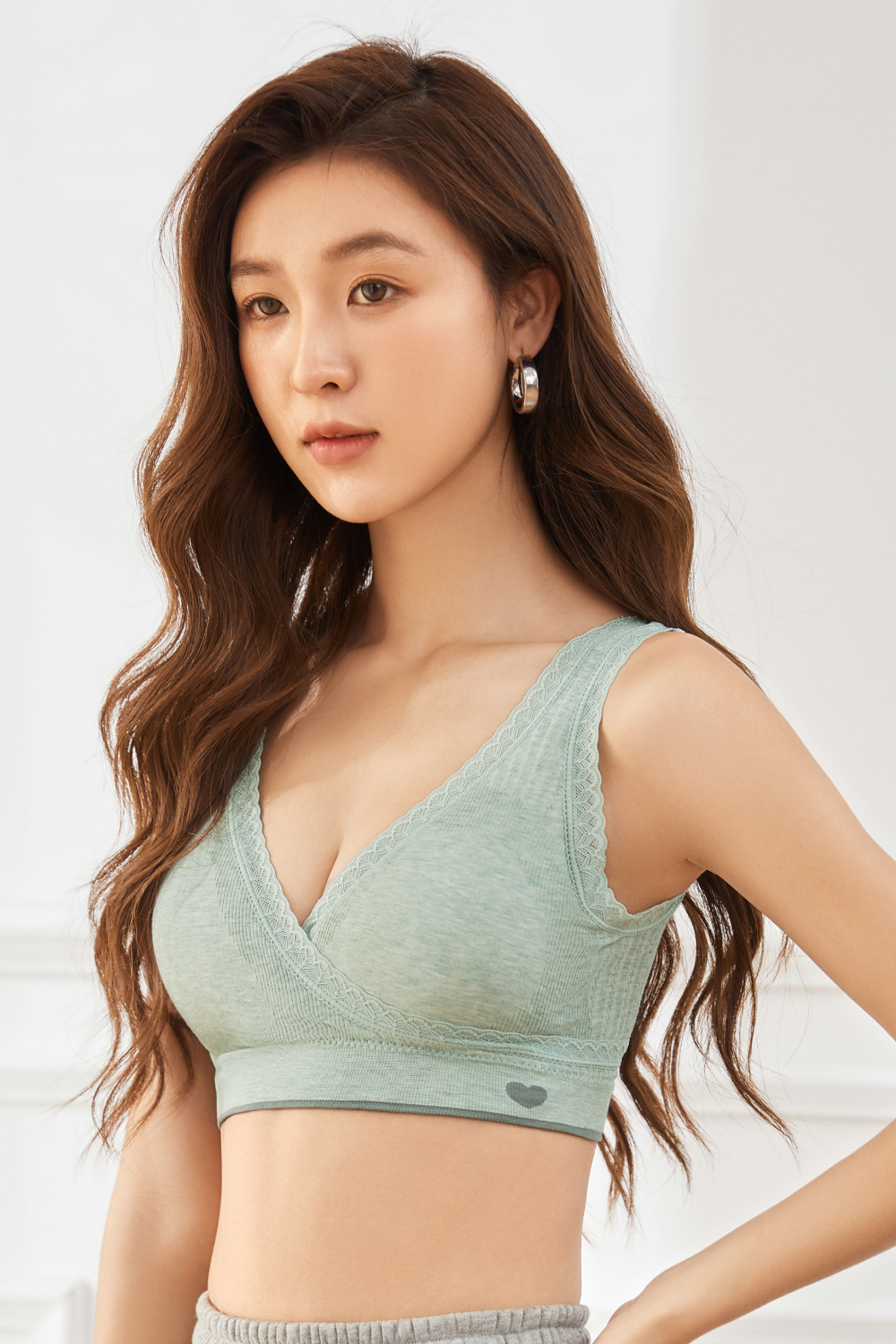
Best Nursing Bras 2026: Complete Guide for Breastfeeding Mothers in Taiwan
Table of Contents
- What Makes a Great Nursing Bra
- Essential Features to Look For
- Types of Nursing Bras Seamless Nursing Bras Underwire Nursing Bras Wireless Comfort Bras Sleep Nursing Bras
- Sizing Guide for Nursing Bras
- When to Buy Your First Nursing Bra
- Common Nursing Bra Problems and Solutions
- Care and Maintenance Tips
- Where to Find Quality Nursing Bras in Taiwan
- Frequently Asked Questions
Finding the right nursing bra can make your breastfeeding experience so much more comfortable. Whether you're preparing for your first baby or looking to upgrade your current collection, the right nursing bra provides the support, convenience, and comfort you need during this special time.
In 2026, nursing bras have come a long way from the basic, utilitarian designs of the past. Today's options combine style, function, and comfort without compromising on any front. This guide will help you navigate the best options available to Taiwanese mothers, covering everything from sizing to specific features that matter most.
What Makes a Great Nursing Bra
A quality nursing bra needs to work harder than regular lingerie. You'll be wearing it for extended periods, often 24/7 in the early weeks, so comfort is non-negotiable.
The best nursing bras offer easy one-handed access for feeding. When you're holding a baby, you need clips or panels that open smoothly without fumbling. Look for sturdy clasps that won't break after repeated use.
Support matters more than ever during breastfeeding. Your breast size fluctuates throughout the day, and a good nursing bra accommodates these changes without feeling too tight or loose. The band should provide most of the support, not the straps.
Breathable fabrics keep you comfortable during long feeding sessions. Cotton blends, bamboo, and moisture-wicking materials prevent overheating and skin irritation. Avoid synthetic fabrics that trap heat and moisture.
Essential Features to Look For
Easy-access nursing clips should open and close with one hand. Test the mechanism before buying - it should feel smooth and secure. Plastic clips tend to be quieter than metal ones, which matters during nighttime feeds.
Adjustable straps and bands accommodate your changing body. Look for multiple hook positions and straps that adjust both at the shoulder and where they meet the cup. This flexibility helps you find the perfect fit as your body changes.
Soft, seamless construction prevents irritation on sensitive skin. Flat seams and tagless designs reduce friction points. Your skin becomes more sensitive during breastfeeding, so every detail matters.
Adequate coverage ensures you feel confident and supported. Full-coverage cups prevent spillage, especially important if you're returning to work or going out in public.
Machine-washable materials make your life easier. You'll be washing nursing bras frequently, so choose ones that maintain their shape and support after multiple wash cycles.
Types of Nursing Bras
Seamless Nursing Bras
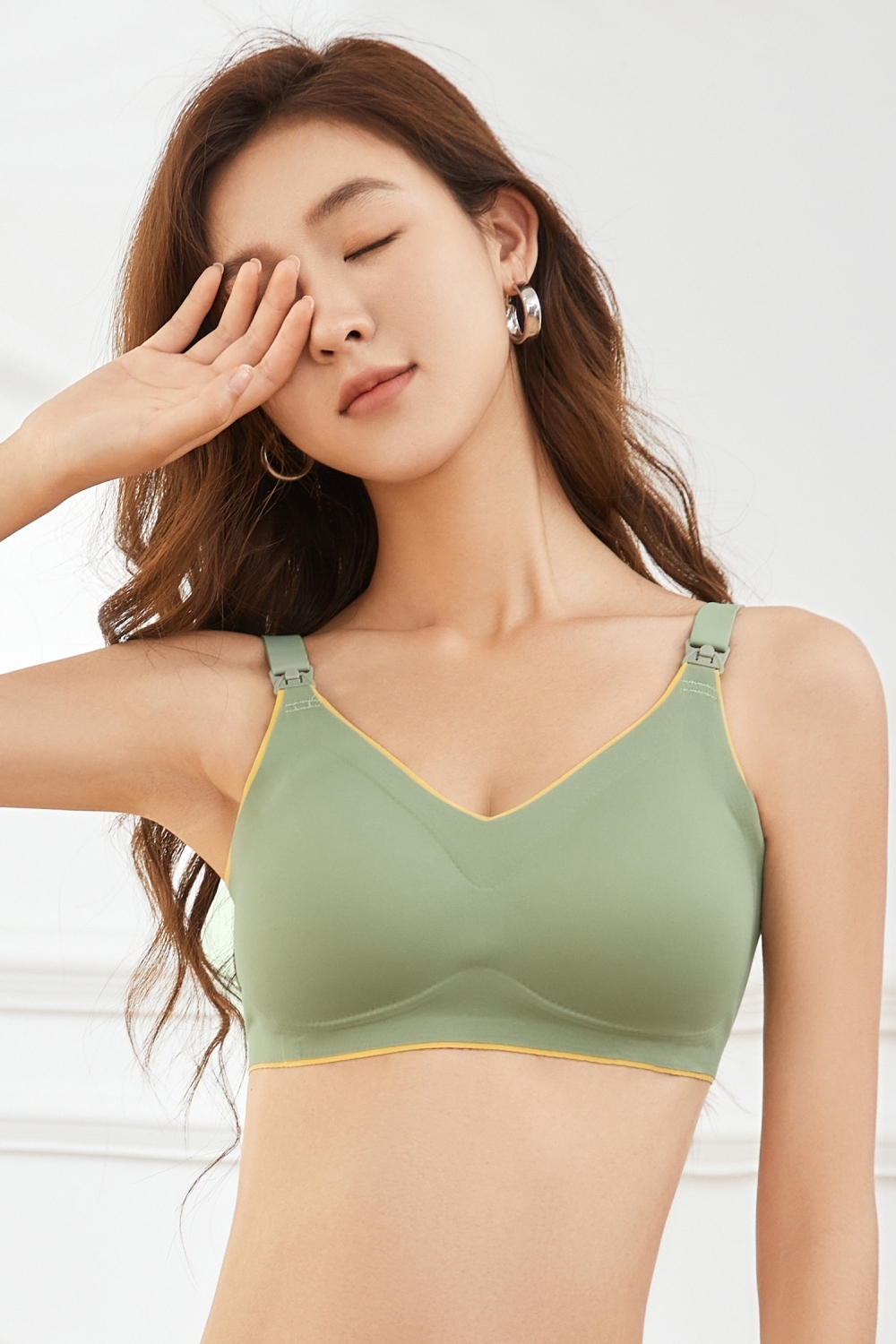
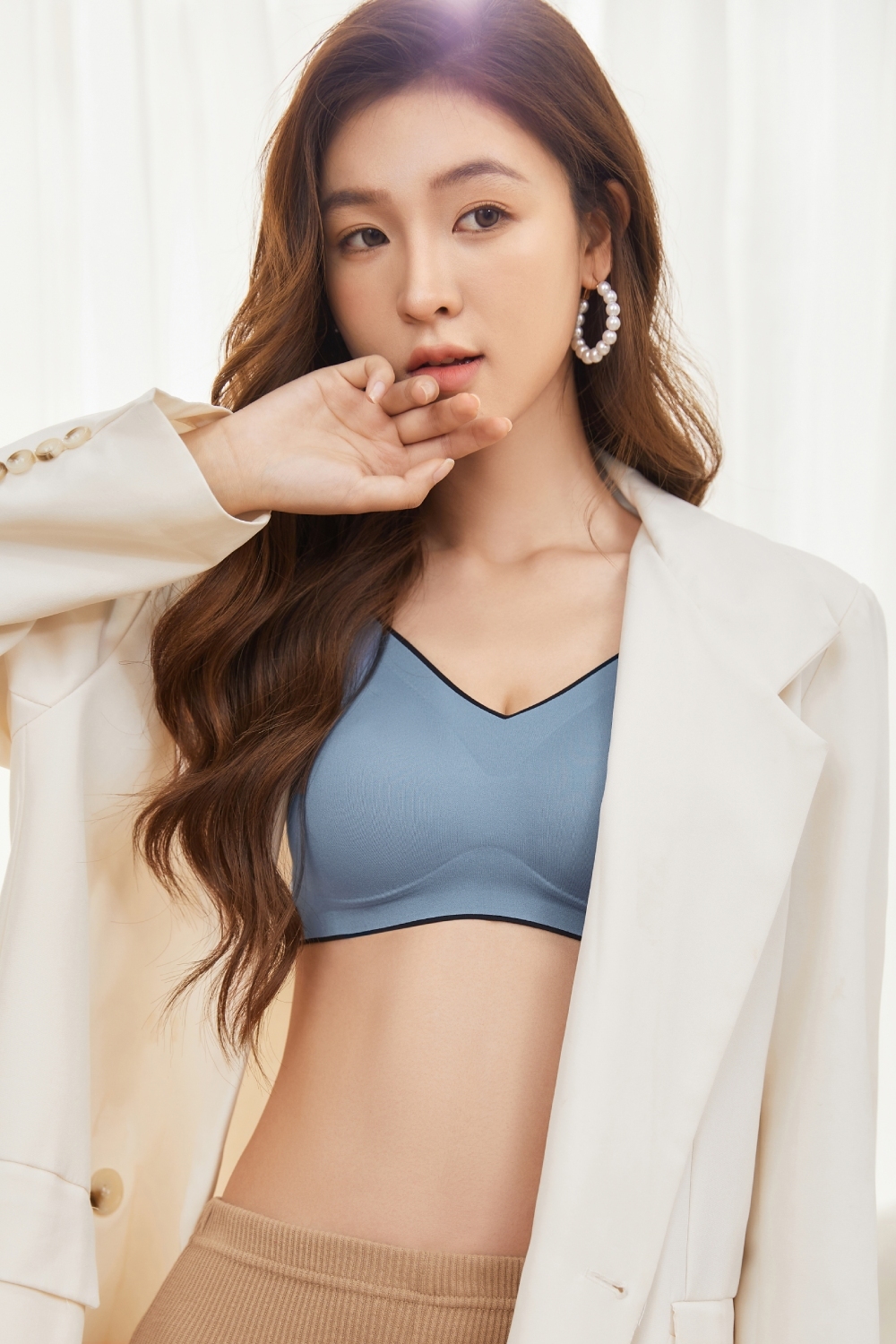
Seamless nursing bras offer the ultimate in comfort for sensitive skin. These bras use bonded construction instead of sewn seams, creating a smooth surface against your body.
The stretchy fabric adapts to size fluctuations throughout the day. When your milk comes in or when you're engorged, seamless bras provide gentle accommodation without digging in.
These work especially well under fitted clothing. The smooth construction prevents visible lines and bumps, making them perfect for work or social occasions.
Underwire Nursing Bras
Underwire nursing bras provide maximum support for larger cup sizes. Modern designs use flexible wires that bend with your body, reducing the risk of blocked ducts that older, rigid wires could cause.
The key is proper fitting. An underwire nursing bra should never press into breast tissue. The wire should sit in your inframammary fold (where your breast meets your chest) and follow your natural breast line.
These bras work well for mothers returning to work who need structured support throughout long days. They also provide better shaping under professional clothing.
Wireless Comfort Bras
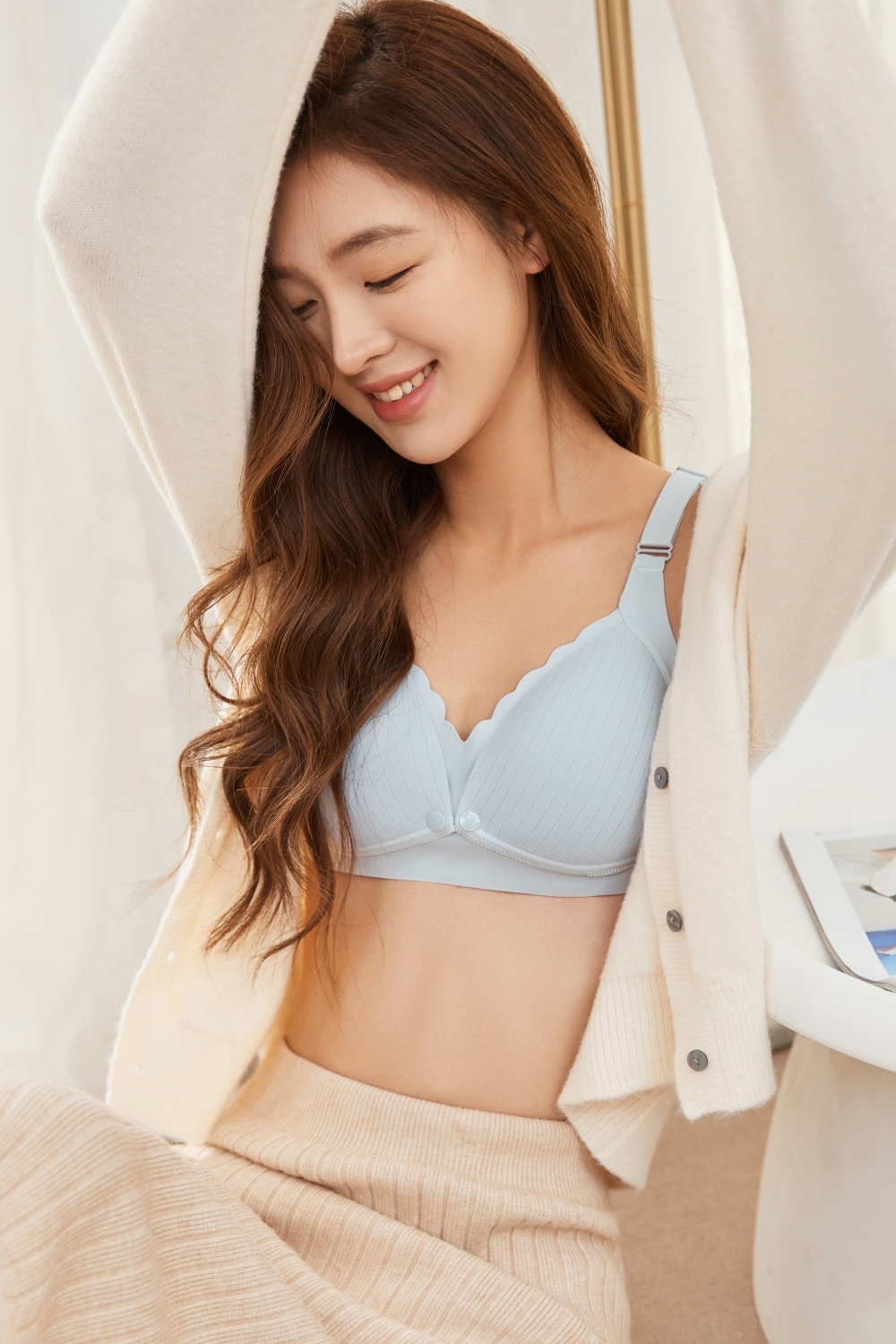
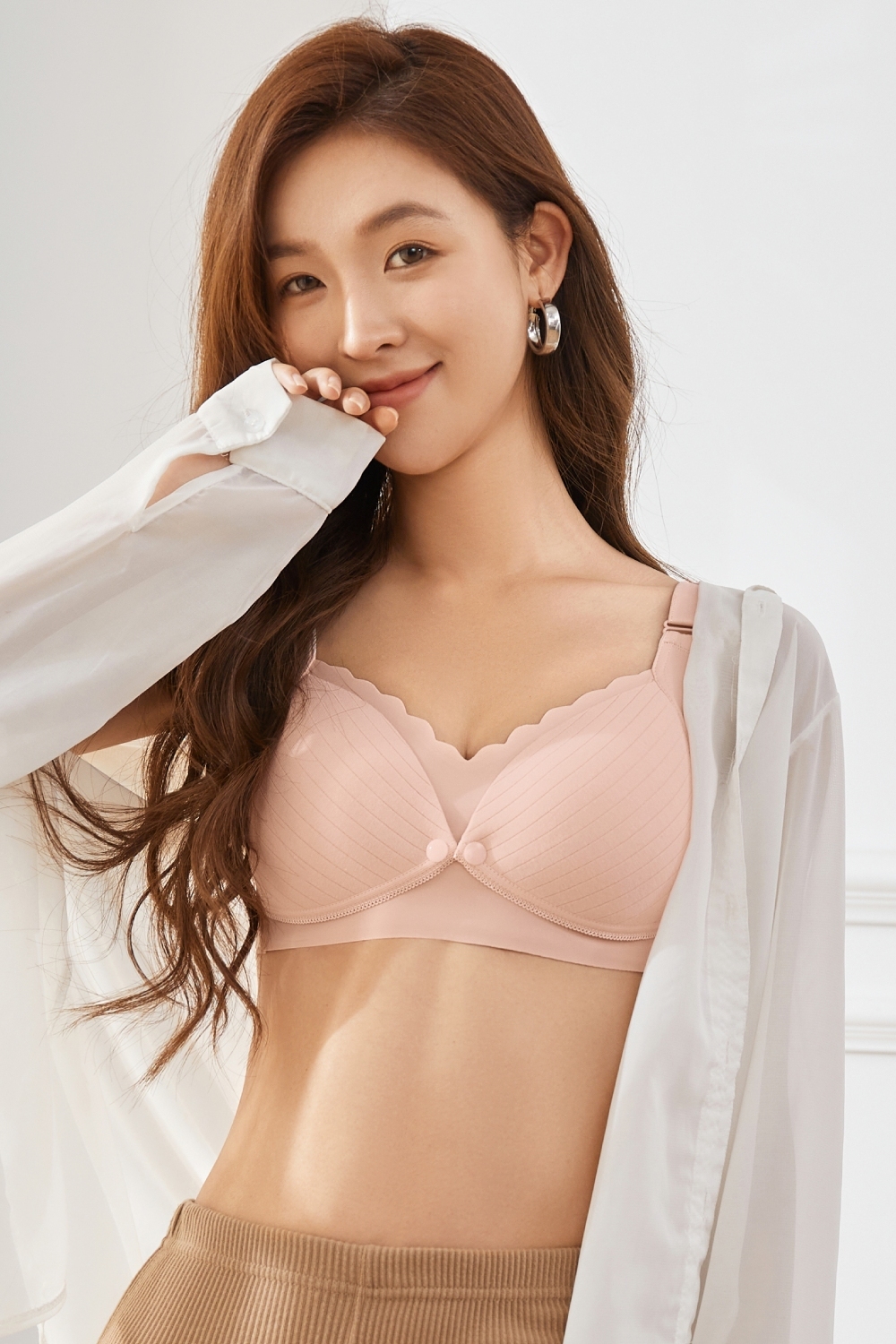
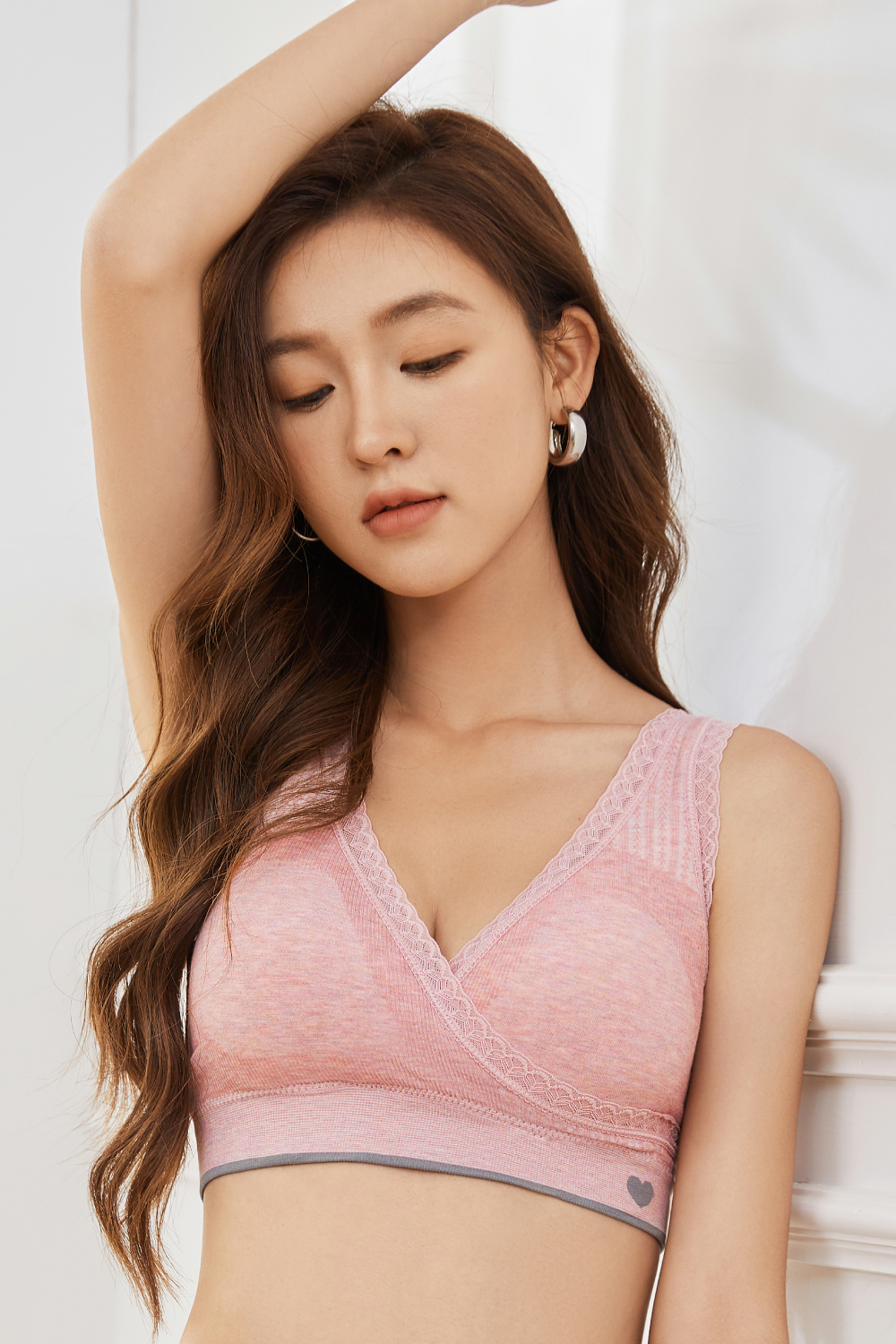
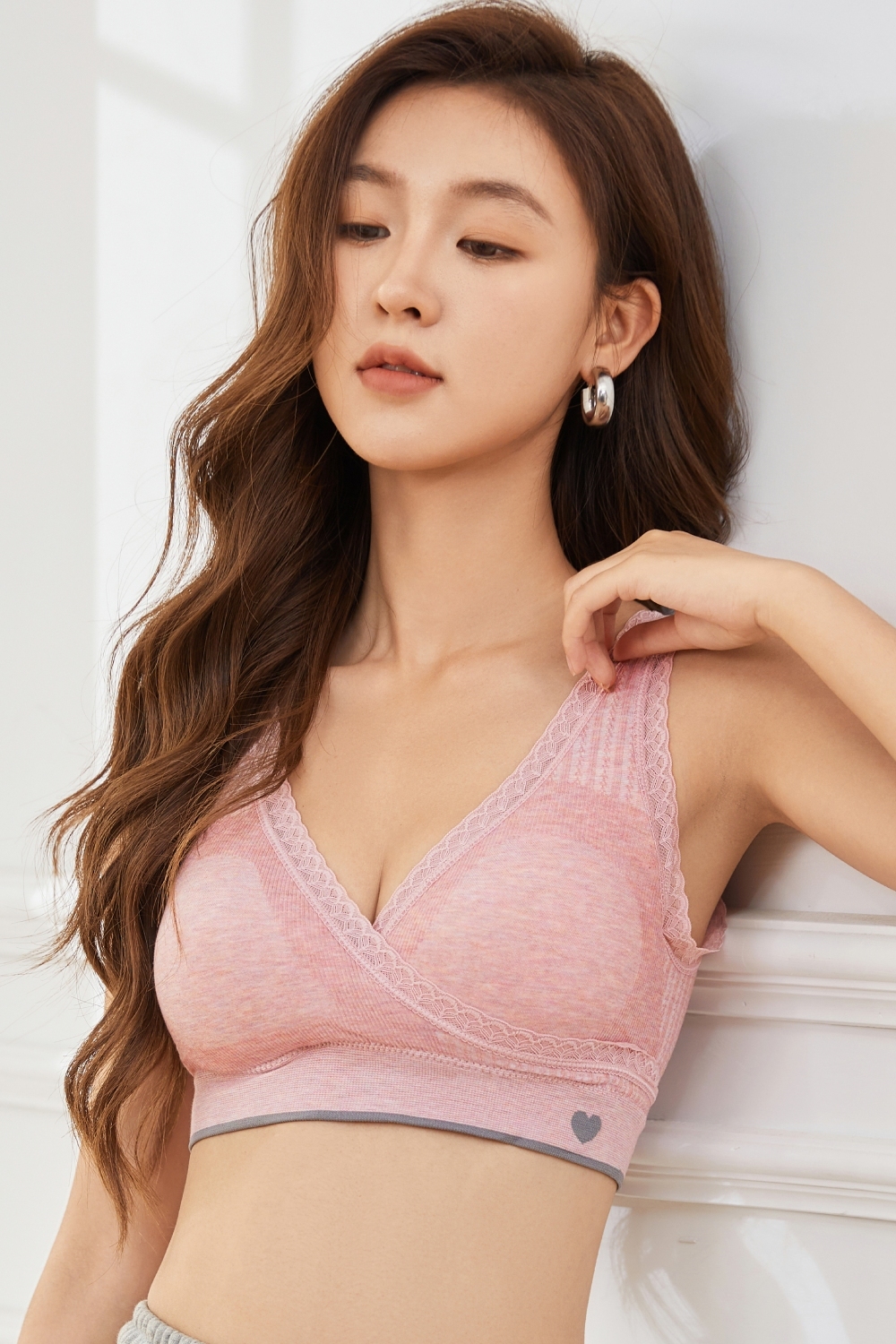
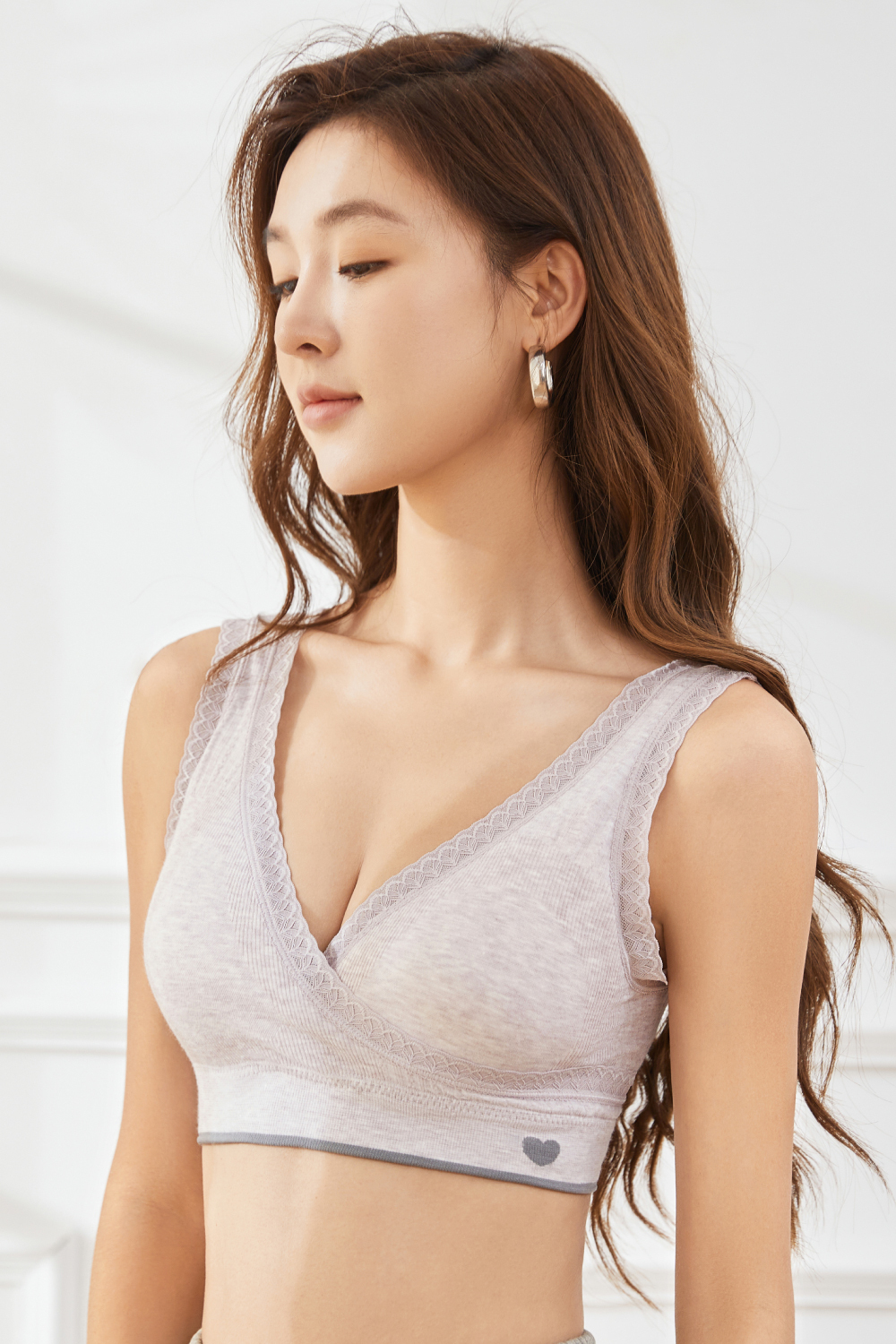
Wireless nursing bras prioritize comfort above all else. They use wide bands, supportive side panels, and strategic seaming to provide lift without wires.
The soft construction makes them ideal for sleeping or lounging. Many mothers prefer wireless options during the early weeks when breasts are especially tender.
Look for styles with molded cups or light padding for shape and modesty. These provide structure without the rigidity of underwire.
Sleep Nursing Bras
Sleep nursing bras are designed for overnight comfort and easy feeding access. They're typically made from ultra-soft materials with minimal hardware.
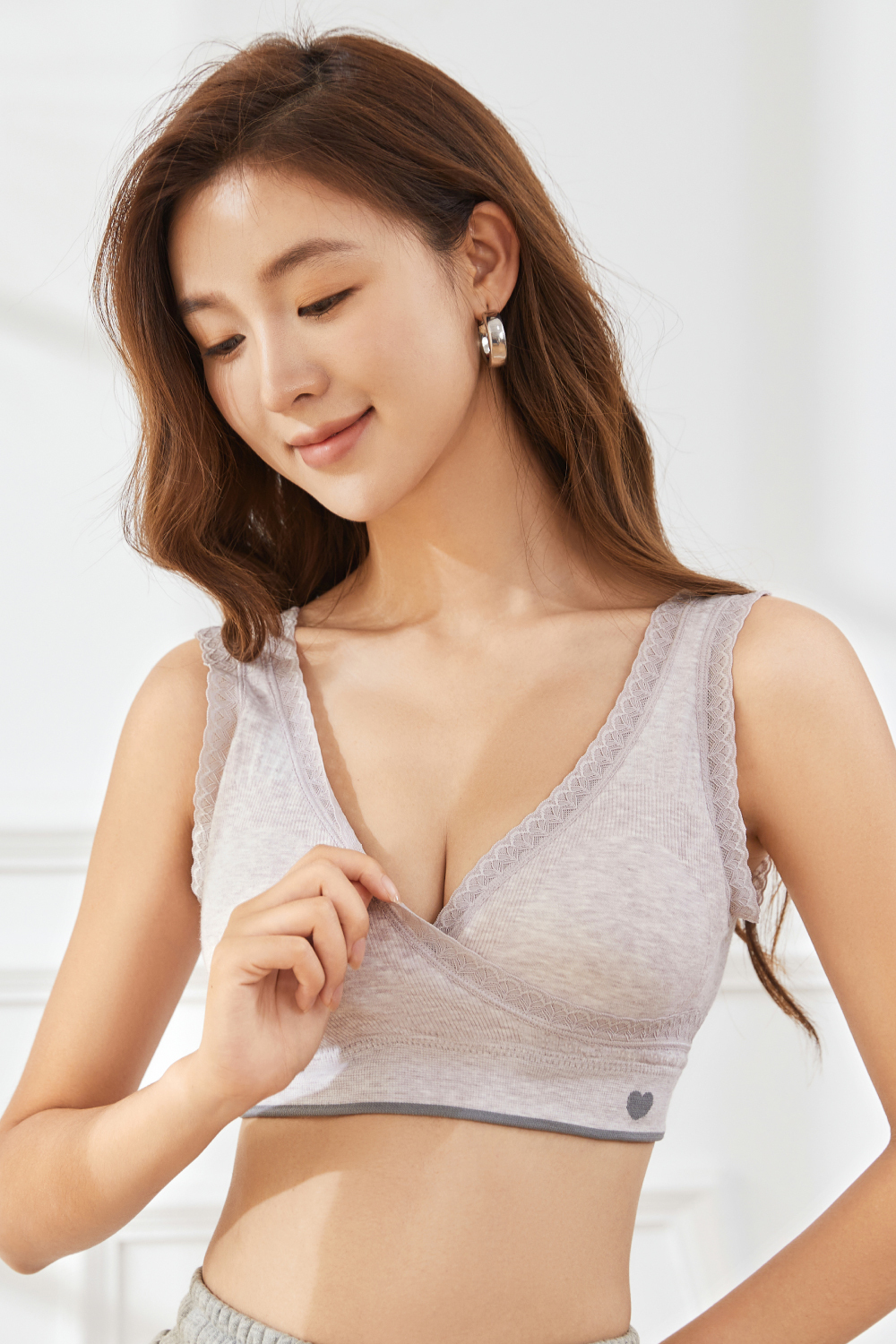
The gentle support prevents discomfort when lying on your side while still allowing easy access for night feeds. Many feature front-opening designs or pull-aside panels.
Some mothers prefer sleep bras with built-in nursing pads to prevent leaks during the night. Others like removable pads for washing convenience.
Sizing Guide for Nursing Bras
Nursing bra sizing differs from regular bra fitting. Your ribcage may have expanded during pregnancy, and your breast volume changes significantly.
Measure yourself in the morning when your breasts are fullest. Use a soft measuring tape and wear a well-fitting, non-padded bra. Measure around your ribcage just under your breasts for band size.
For cup size, measure around the fullest part of your breasts. The difference between this measurement and your band measurement determines your cup size.
Consider sizing up one cup size from your measurement if you're in early pregnancy, as your breasts will likely grow more. If you're already breastfeeding, buy based on your current fullest size.
Taiwan sizing may differ from international brands, so always check size charts. Many Taiwanese women find they need different sizes in local versus imported brands due to fit differences.
When to Buy Your First Nursing Bra
Start shopping for nursing bras during your third trimester, around 36-38 weeks. Your breast size is more stable by this point, but you still have time to make exchanges if needed.
Buy at least 2-3 nursing bras before your baby arrives. You'll want options for different activities and times of day. Having backups is important when one is in the wash.
Don't buy your entire collection before birth. Your body continues changing after delivery, and you may find you prefer different styles once you start breastfeeding regularly.
Plan to reassess your collection around 6-8 weeks postpartum when your milk supply stabilizes. This is when many mothers invest in their main nursing bra wardrobe.
Common Nursing Bra Problems and Solutions
Cups that gap or pucker usually indicate the wrong cup shape or size. Try a different style or go down a cup size. Molded cups can help maintain shape when your breast volume fluctuates.
Bands that ride up suggest the band is too large. A properly fitting band should sit parallel to the ground and provide most of your support. Try going down a band size and up a cup size.
Straps that dig in mean the band isn't providing enough support, forcing the straps to carry too much weight. A tighter band usually solves this problem.
Difficult nursing access can make feeding frustrating. Practice opening and closing the nursing mechanism before you need to use it. If it's consistently difficult, try a different style.
Visible lines under clothing can be solved with seamless styles or different cup shapes. T-shirt bras work well under fitted clothing, while wireless options suit looser tops.
Care and Maintenance Tips
Wash nursing bras frequently to prevent bacteria buildup and maintain hygiene. Use gentle, fragrance-free detergents that won't irritate sensitive skin.
Hand washing extends the life of nursing bras, especially those with delicate clips or lace details. If machine washing, use a lingerie bag and cold water on the gentle cycle.
Air dry your nursing bras to prevent shrinkage and maintain elasticity. Heat from dryers breaks down elastic fibers and can warp molded cups.
Rotate between multiple bras to prevent excessive wear. Having 4-6 nursing bras allows you to wash some while wearing others, extending the life of your entire collection.
Replace nursing bras when the band stretches out, clips become loose, or cups lose their shape. A worn-out nursing bra won't provide proper support and may become uncomfortable.
Where to Find Quality Nursing Bras in Taiwan
Finding well-fitting nursing bras in Taiwan has become much easier with specialized online retailers focusing on maternal needs. The key is finding stores that understand the unique requirements of breastfeeding mothers and offer comprehensive size ranges.
Look for retailers that provide detailed sizing guides and educational content about proper fitting. This shows they understand that nursing bra fit is different from regular lingerie fitting.
Consider stores that offer size-inclusive options, especially if you need smaller or larger cup sizes. Many mainstream stores focus on B-C cups, leaving A-cup and D+ mothers with limited choices.
Online shopping can be convenient for busy mothers, especially when stores offer easy exchanges and returns. Look for retailers with good customer service and clear return policies.
For mothers seeking quality nursing bras with comprehensive sizing and educational support, Olivia.tw specializes in maternal lingerie with sizes from 30A to 48F. Their nursing bra collection focuses on comfort, proper fit, and practical design for real-life breastfeeding needs.
Frequently Asked Questions
How many nursing bras do I need?
Most mothers find 4-6 nursing bras sufficient. This allows for different activities (work, sleep, exercise) while having clean options available when others are being washed.
Can I wear regular bras while breastfeeding?
Regular bras aren't designed for breastfeeding access and may not provide appropriate support for changing breast sizes. Nursing bras are specifically engineered for breastfeeding mothers' needs.
When should I stop wearing nursing bras?
You can transition back to regular bras when you stop breastfeeding and your breast size stabilizes. Some mothers continue wearing nursing bras for comfort even after weaning.
Do I need different nursing bras for different activities?
Yes, different activities benefit from different nursing bra styles. Sleep bras for overnight comfort, structured bras for work, and sports nursing bras for exercise provide optimal support for each situation.
How do I know if my nursing bra fits properly?
A well-fitting nursing bra should provide support without digging in, allow easy access for feeding, and accommodate size fluctuations throughout the day. The band should be snug but not tight, and cups should contain your breasts without spillage or gaping.
Are underwire nursing bras safe?
Modern underwire nursing bras can be safe when properly fitted. The wire should never press into breast tissue. If you experience any discomfort or blocked ducts, switch to a wireless style.
How often should I replace nursing bras?
Replace nursing bras when they lose elasticity, clips become loose, or they no longer provide adequate support. With regular wear and washing, most nursing bras last 6-12 months.
The right nursing bra makes breastfeeding more comfortable and convenient. Take time to find styles that work for your body and lifestyle. Remember that your needs may change throughout your breastfeeding experience, so don't hesitate to try different options as you go.
Quality nursing bras are an investment in your comfort and breastfeeding success. Choose options that prioritize fit, function, and your personal comfort preferences. With the right support, you can focus on enjoying this special time with your baby.